



Wimberley Glassworks is one of those places that quietly grabs your attention and then refuses to let go. Tucked into the Texas Hill Country, it is a premier hand-blown glass studio where art feels alive, warm, and wonderfully human.
You walk in expecting pretty objects. You walk out remembering the heat of the furnace, the glow of molten glass, and that moment when art is born in real time.
Here’s the thing. It pulls in everyone. Art lovers come for the craftsmanship. Families come because kids can actually watch magic happen. Travelers go because it feels local, honest, and memorable.
Live glassblowing demonstrations are held regularly, and you can also take classes. From bold sculptures to delicate everyday pieces, each creation feels personal. You know what? That’s the charm.
The Story Behind Wimberley Glassworks
Where fire, patience, and purpose meet
Wimberley Glassworks does not feel like a brand that was planned on paper. It feels grown. Slowly. Carefully. Like glass itself. The story matters because the art carries it forward, piece by piece.
History and Origins of Wimberley Glassworks
It started small. That part is important.
Wimberley Glassworks began in 1992, long before Wimberley became a must-stop on every Texas Hill Country weekend plan. Back then, it was a working studio with a simple goal: make honest, hand-blown glass and do it well.
Tim de Jong founded the studio with a clear belief: Glass should feel human. Not factory neat. Not distant. Real hands. Real heat. Real risk.
Here’s the thing. That mindset never changed.
Early years were shaped by
- Traditional glassblowing methods learned through years of hands on practice
- A strong connection to the Hill Country landscape
- A focus on small batches rather than mass output
As the studio gained attention, growth followed. Slowly at first. Then steadily.
Tim’s vision expanded beyond gallery pieces. He saw glass not only as art, but as architecture. As atmosphere. As something that could shape a space without overpowering it.
That idea led to the creation of WGW Custom, the studio’s arm dedicated to large scale work.
This expansion included
- Custom lighting for homes, hotels, and restaurants
- Public art installations across the country
- Collaborations with architects and interior designers
National recognition followed, but the tone stayed grounded. No rush. No shortcuts. Even today, the studio balances two identities that usually clash: a respected national name and a deeply local workshop.
That tension works. Honestly, it is part of the appeal.
Craftsmanship That Defines Wimberley Glassworks
Why hand-blown glass still matters
Hand-blown glass is slow. Unpredictable. Sometimes frustrating. That is exactly why it lasts.
Every piece at Wimberley Glassworks starts the same way. Molten glass. Extreme heat. A narrow window to act before gravity and temperature take over. There are no molds forcing sameness. No copy button.
That is the point.
What sets hand-blown glass apart
- Each piece is shaped by timing and touch
- Minor variations are expected, even celebrated
- No two works ever come out identical
You can see it if you look closely. The slightly different curve. The pattern that shifts when the light hits. Those are not flaws. They are signatures.
The studio is known for several recognizable patterns, each with its own personality.
Signature Wimberley Glass Art patterns
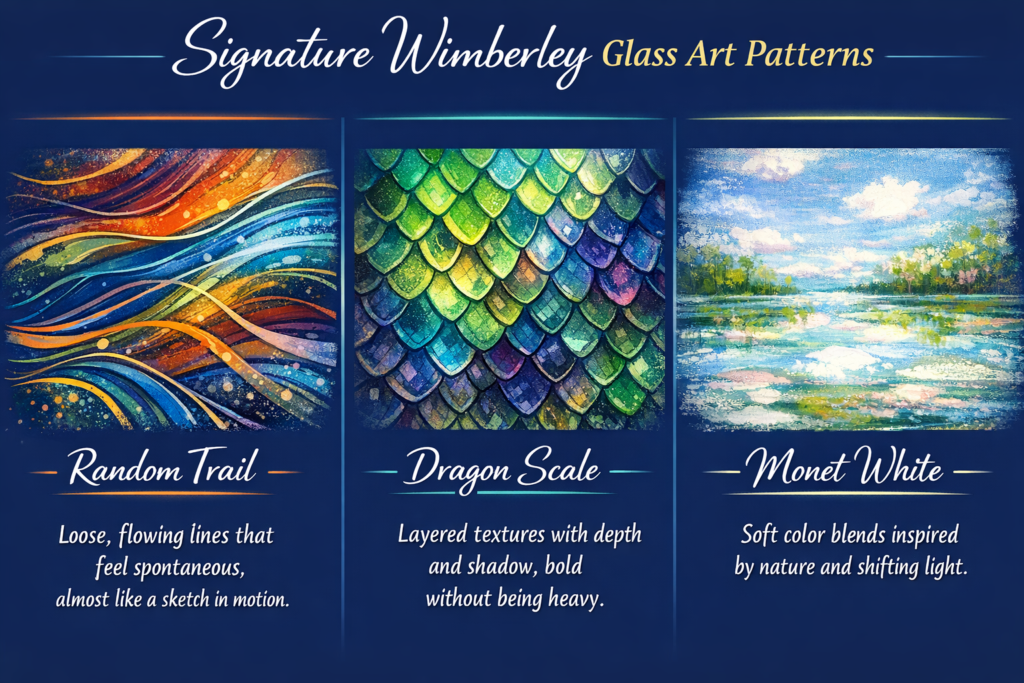
Here is a mild contradiction. The work feels effortless, but it is not. Precision lives under the surface. Years of practice guide every movement. Every breath matters.
The artisans work as a team. One person cannot rush ahead. Timing depends on trust, rhythm, and communication. It is a bit like a live performance. Miss a cue, and the moment is gone.
Seasonal changes influence the work too. Cooler months bring heavier forms and deeper tones. Warmer seasons lean lighter, brighter, more playful. The glass responds, even if quietly.
That is why people keep coming back. Not just to buy. To watch. To feel connected to something made in the moment, shaped by fire, and finished by hand.
And honestly, that kind of craftsmanship never gets old.
What to See and Experience at Wimberley Glassworks
Real, specific, and rooted in what visitors actually do and see
Visiting Wimberley Glassworks means more than browsing pretty objects. You get firsthand exposure to one of the oldest art forms still practiced with human skill, right in the Texas Hill Country.
From live glassblowing to seasonal gallery pieces to large custom installations, this studio in San Marcos (about six miles west of Wimberley) is a destination for art lovers, designers, and curious travelers alike.
1. Live Glassblowing Demonstrations
See molten glass become art, right before your eyes
One of the biggest draws at Wimberley Glassworks is the live glassblowing demonstrations. These happen Thursday through Sunday from roughly 10:30 a.m. to 3:30 p.m., with the team working continuously throughout the day.
There’s no ticket to watch; you can simply walk in, stay as long as you like, and watch pieces being shaped in real time.
Here’s how it works in practice:
- Artisans heat glass in a furnace until it reaches molten form, then use pipes, tools, and timing to shape each piece.
- Demos aren’t formally timed like a show with a start and finish; rather they flow all day with small breaks for lunch or tool changes.
- Guests can move around the open-air viewing area, see several artisans at various stages of creation, and learn what each tool or step does.
Tips for getting the most from live demos
- Arrive earlier in the day when the glass is hottest and colors are most vivid.
- Stay longer than a few minutes. You’ll see how raw glass changes rapidly through heating, shaping, blowing, and finishing.
- Ask questions. Staff explain parts of the process when they can, and it’s clear they enjoy teaching curious visitors.
- For group visits of 10+, scheduled demonstrations guarantee you see a piece made all the way through to completion.
Seasonal events like the annual Gourdgeous Glass Pumpkin Patch add themed live demos, scavenger hunts, and fun extras, especially during fall.
2. Gallery Showcase at Wimberley Glassworks
The gallery is both a museum and a marketplace
Once you’ve seen glass being formed, the gallery portion deserves a full stroll. Wimberley Glassworks has been crafting hand-blown glass since 1992, featuring lighting, vases, bowls, sculptures, platters, jewelry, and more.
What you’ll find in the gallery:
- Vases & Bowls — each with unique color blends and forms, no two alike.
- Sculptural Art Glass — from bold forms to organic shapes that catch the light.
- Lighting & Lamps — pendants, chandeliers, wall and ceiling fixtures with hand-blown glass shades.
- Seasonal Collections, such as glass pumpkins and 2025 annual ornaments, which often tie into holiday decorating or gifting.
- Outdoor pieces like hanging garden globes or feeder items are perfect for porch or patio accents.
Seasonal highlights:
Wimberley Glassworks is known for offering themed items throughout the year. For example, the team creates collectible glass pumpkins in the fall and limited edition annual ornaments for the holiday season, which are popular keepsakes for visitors.
Even if you’re just browsing, the gallery has layers to explore, everyday drinkware on one shelf, fine art pieces on another. The variety makes it easy to find something unique as a gift or personal piece.
3. Signature Installations and Commercial Glass Projects
When glass moves beyond objects and becomes space
Wimberley Glassworks doesn’t stop at small gallery pieces. Through their Commercial division, they’ve created large installations and lighting systems featured in architectural spaces and public art contexts.
These projects show how hand-blown glass can transform a room or entryway, adding not just light but artistic impact.
A standout example is the Solar Ray installation:
- Created for their own facility foyer, it spans about 144 square feet and incorporates 221 separate glass pieces.
- By day, natural light plays through the textured glass elements; at night, LED lighting brings the piece alive in color against the building’s architecture.
- Solar Ray was conceived to interact with the shape and angle of the building, adding dimension and visual draw right as you arrive.
In addition to gallery and site-specific work, collections such as River Timber pendants were inspired by local experiences and built into functional art lighting for residential settings like the San Marcos Baptist Academy.
These projects highlight a key reality: Wimberley Glassworks isn’t just selling objects. They’re designing pieces that shape environments, bringing glow, form, and mood to interior and exterior spaces alike.
Don’t miss this: Wimberley Hidden Gems 2025 | Discover Secret Spots Locals Love
Hands-On Glassblowing Classes at Wimberley Glassworks
Get ready for creative hands-on glass art right in the Texas Hill Country
If you’ve ever wondered what it feels like to actually shape molten glass, Wimberley Glassworks gives you just that chance. Beyond watching live demonstrations, this studio offers real hands-on experiences where you make your own piece from start to finish with expert guidance.
These sessions are seasonal and tailor-made for visitors, groups, and anyone looking for something fun and memorable.
Make Your Own Glass Experience
Color, heat, breath, and craft
Here’s the deal. Wimberley Glassworks runs “Make Your Own Glass” experiences that let you create something personal, whether it’s a blown ornament, a heart, a flower, or even a pumpkin during seasonal months.
These classes are available typically from October through April, when cooler weather makes working with the hot shop more comfortable.
What exactly happens? The team walks you through each step from choosing your colors to shaping the hot glass and giving it form with tools. You’re not just watching; you participate. You’ll:
- Pick your color palette from a range of glass frit and rods.
- Roll the molten glass in your chosen colors.
- Blow and shape it with guidance from experienced glassblowers.
- Use tools like hand-held molds and jacks to refine curves and edges.
- Finish your piece with help from the team so it’s safe, sturdy, and beautifully unique.
Safety matters because glass that comes out of the furnace is extremely hot (often over 2000° F). Participants must be 15 years or older, wear cotton clothing and closed-toe shoes, and tie back long hair. Safety glasses and gloves are provided.
Once your piece is done, it needs to cool slowly in a kiln, which takes about 24 hours. You can pick it up the following Thursday for free, or pay a shipping fee if you want it sent home (usually an extra 5–7 business days).
Seasonal fun is part of the charm, too. Around fall, glass pumpkin classes are especially popular and sell out fast, and holiday ornament sessions become a unique tradition for many families.
Private Group Glassblowing Experiences
Book for friends, family, or celebrations
Wimberley Glassworks makes space for groups too. If you’ve ever thought, “This would be an epic team outing,” then this is it.
Private group sessions are available Friday to Sunday, especially October through April, and include a non-refundable booking fee plus materials.
Here’s a snapshot of how these work:
- Fee Structure
- $150 per hour booking fee (non-refundable)
- Each participant pays for the piece they make (usually between $79 to $129 for hearts, ornaments, flowers, or pumpkins)
- How it unfolds
It’s not a full glassblowing class where you learn years of technique. Instead, it’s a guided experience so you get to do all the hands-on steps relevant to that piece, with staff stepping in to ensure success.
Private experiences come with a communal space that includes a fridge, sink, and room to hang out in between turns. You’re welcome to bring your own snacks and non-alcoholic drinks (water and sodas are available for purchase, too).
Best occasions to book a group experience
- Birthdays — unique keepsake for attendees
- Couples’ experiences — perfect for date ideas
- Team building — creative collaboration outside the office
- Family gatherings — something different for multi-gen celebrations
Because sessions are by reservation, it’s wise to book ahead, especially in fall or during holiday weekends when these slots get snapped up quickly.
Tips for First-Time Glass Makers
What to wear, how to pick colors, and expectations for your piece
Getting ready for your hands-on glass session? Here are a few real-world tips that seasoned visitors and the studio itself recommend:
Dress the part
- Wear cotton clothing; it’s breathable and safer around hot materials.
- Closed-toe shoes are mandatory in the working area.
- Tie back long hair and remove dangling jewelry.
Color choices matter
It’s tempting to pick every bright hue you see. But consider how colors blend when heated — some combinations mellow while others pop dramatically. Want vivid tones? Go bold. Prefer elegant pieces? Choose softer shades.
Think about where you’ll put the piece at home. A glass pumpkin with autumn colors might look stunning on a fall mantle. A clear or light blue ornament could catch winter light beautifully.
Expectations for cooling and pickup
Your piece doesn’t come home the same day. It gets placed in a special kiln for controlled cooling, which prevents stress cracks. You’ll pick it up about a day later or choose shipping at checkout.
Your role vs. the pros
You’ll do meaningful steps like selecting color, shaping, and blowing into the glass. But the staff helps with safety and tricky moves, so your finished piece doesn’t break. Think of it as guided creation, not a beginner class in professional glassblowing.
Be prepared for the heat
Even if you’re outdoors or in an air-conditioned viewing area, the hot shop is warm. It’s part of how glass stays workable. Short sleeves and light fabrics help.
Bring curiosity and patience
Glassworking isn’t instant gratification. It’s careful, intentional, and rooted in age-old methods.
But it’s also one of the most satisfying ways to make something truly unique with your own hands. And that memory, more than the object itself, often sticks with people.
Read more for insider tips: Couples Weekend in Wimberley: 7 Unforgettable Romantic Ideas 2026
Planning Your Visit to Wimberley Glassworks
Good planning makes a good visit feel effortless
A visit to Wimberley Glassworks works best when you know what to expect before you arrive. The studio is welcoming and easygoing, but timing, season, and where you stay can shape the whole experience. Let’s walk through the practical details first, then layer in the fun parts.
Location, Hours, and Best Times to Visit
Where it is and when to go
Wimberley Glassworks is located just outside the town of Wimberley, along Ranch Road 12, in the Texas Hill Country.
Address: Wimberley Glassworks, 6469 Ranch Road 12, San Marcos, TX 78666
The location sits between Wimberley and San Marcos, making it an easy stop if you are exploring the Hill Country, driving in from Austin, or planning a relaxed weekend nearby.
Operating hours
- Gallery Open: Wednesday – Sunday, 10:00 AM – 5:00 PM.
- Glassblowing Demonstrations: Thursday – Sunday, 10:30 AM – 3:30 PM (times can vary slightly).
- Closed: Monday & Tuesday.
Because hours can change for holidays, weather, or special events, it is always smart to check the official Wimberley Glass Art website before heading out.
Best times of year to visit
- Fall is the most popular season, especially during the annual glass pumpkin events
- Winter brings holiday ornaments and cooler weather, which makes watching hot glass more comfortable
- Spring offers milder temperatures and fewer crowds
- Summer is quieter, though afternoons can be hot near the furnaces
If you want a calmer experience, weekday mornings or early afternoons tend to be less crowded than weekends.
Tips for Tourists and Families
Yes, kids are welcome, and so are curious adults
Wimberley Glassworks is often described as family-friendly, and that is accurate, with a few practical notes.
Accessibility
- The gallery and viewing areas are generally accessible for strollers and wheelchairs
- Seating is available near the demonstration areas
- Paths are mostly level, though some outdoor sections are gravel
Visiting with children
Children are welcome to watch demonstrations from a safe distance. The studio encourages learning through observation.
Things families appreciate include
- Clear viewing areas for live glassblowing
- Staff who explain the process in simple terms
- Seasonal activities like scavenger hunts during special events
Parents should keep children close, especially near hot shop areas. The furnaces are well marked, but the heat is real.
Scavenger hunts and special events
During major seasonal events, especially in the fall, the studio often hosts family-focused activities such as scavenger hunts and themed displays. These are time-specific and announced ahead of time.
Pet policy
Leashed pets are generally allowed in outdoor areas. Pets are not permitted inside the gallery or near hot shop workspaces for safety reasons.
Nearby attractions to pair with your visit
Planning a full day is easy because Wimberley offers more than glass art.
Popular nearby options include:
- Wimberley Gallery Trail, featuring local artists, painters, and sculptors
- Blue Hole Regional Park for swimming and walking trails
- Jacob’s Well Natural Area, known for its spring-fed waters and scenic views
- Local cafes, bakeries, and small shops in downtown Wimberley
A common approach is glassworks in the morning, lunch in town, then outdoor time in the afternoon.
Where to Stay Near Wimberley Glassworks
If you are turning your visit into an overnight or weekend trip, where you stay matters more than people expect. This is where Onera, Wimberley, fits in naturally.
Onera offers a modern yet grounded lodging experience that blends well with the Hill Country setting.
It is close enough to Wimberley Glassworks to keep drive times short, but far enough to feel calm and removed from crowds.
Why Onera Wimberley Is an Ideal Place to Stay
- Central location for visiting Wimberley Glassworks and downtown Wimberley
- Quiet surroundings with Hill Country views
- Thoughtfully designed spaces that feel intentional, not generic
- Suitable for couples, families, and small groups
The vibe
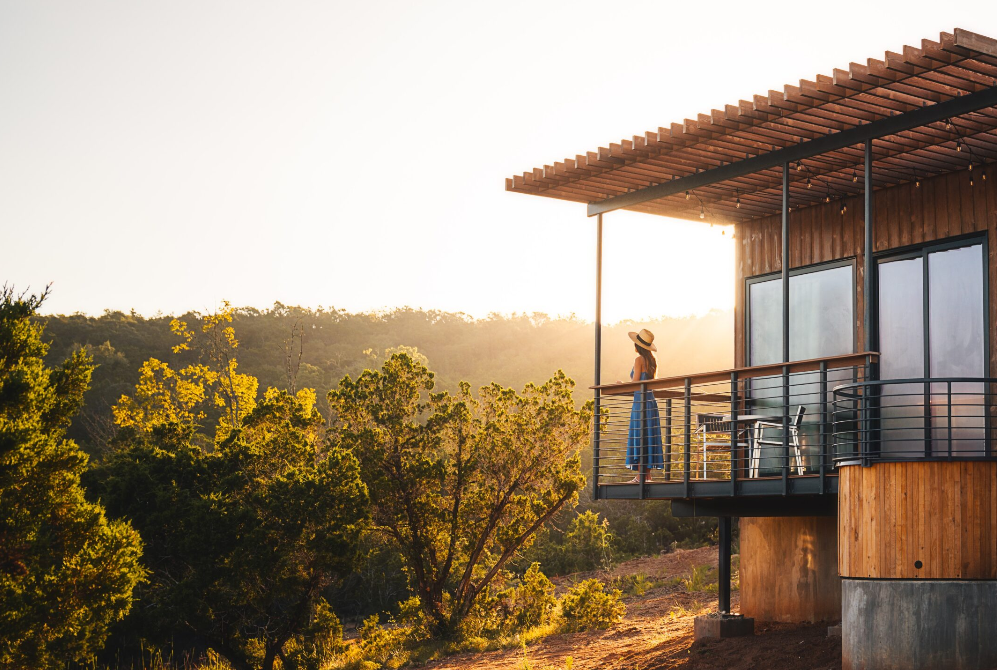
Onera balances style with simplicity. The spaces feel clean and comfortable without being overdone.
After spending time around heat, color, and activity at the glass studio, coming back to a peaceful place makes a difference.
Convenience factor
Driving back and forth from distant hotels can eat into your day. Staying nearby means
- Less time in the car
- More flexibility with demo schedules
- Easy returns if you plan multiple stops
Shopping Guide: What to Buy at Wimberley Glassworks
What to bring home from Wimberley Glassworks, and how to think about it
If you walk through the gallery at Wimberley Glassworks, you’ll notice something right away: the pieces feel like stories you can hold. They’re not just “pretty things.”
They’re crafted right there in the Texas Hill Country with skill and intention. From everyday glassware to seasonal keepsakes, the studio’s gifts make meaningful souvenirs of your visit.
Best Souvenirs and Hand-Blown Glass Gifts
Real art you’ll want to live with
You’ll find a wide variety of hand-blown glass pieces at the gallery, most of them created right in the Wimberley Valley studio.
These make outstanding souvenirs because no two are exactly alike: every shape, swirl, and color tells a slightly different story.
Here are popular categories visitors love:
- Bud vases and blown vases — small, elegant forms that look lovely anywhere
- Glass platters and bowls — functional art you can use for snacks or display.
- Glassware (tumblers, mugs) — perfect practical keepsakes or gifts.
- Sculptural pieces — expressive shapes and bold color play.
- Garden art and feeders — outdoor pieces that catch sunlight or welcome birds.
- Custom lighting and lamps — higher-end, standout home statements.
You know what’s fun? Browsing slowly. Some visitors leave thinking they just want one little thing, and end up with a vase, a couple of tumblers, and a funky sculpture. That’s the magic of hand-blown glass and why people keep coming back.
Seasonal and Holiday Glass Collections
Collectibles for every moment on your calendar
One of the most talked-about parts of Wimberley Glassworks shopping is its seasonal pieces. These aren’t just for decoration; they’re keepsakes, conversation starters, and, yes, future heirlooms.
- Annual ornaments — the studio releases a new design each year, often inspired by seasonal colors or themes. These are small, affordable, and perfect for holiday gifting or starting a collection.
- Glass trees and holiday décor — elegant for winter displays, or as accents year-round.
- Fall favorites (pumpkins, gourds) — timeless pieces that feel right on a mantle or porch.
Here’s a tip people often mention: seasonal pieces, especially limited ornaments, tend to sell out. If you see one you love, snag it sooner rather than later. Many visitors return year after year just for that new ornament release.
Pricing Expectations and Smart Buying Tips
Plan so you’re pleasantly surprised, not sticker-shocked
Hand-blown glass isn’t cheap, and there’s a good reason for that. Each piece is American-made, crafted by hand, and shaped through a real human process involving fire, breath, timing, and tools. That effort shows up in the price.
A rough sense of what you’ll find:

Prices vary because no two pieces are identical; size, color complexity, and design all influence cost.
Smart shopping ideas
- Visit early in the day so you see the full selection before popular pieces sell.
- Ask staff about newly made pieces just out of the cooling kiln.
- If you’re thinking gift giving, ornaments and smaller art glass are crowd-pleasers that work for family, friends, or colleagues.
- Consider practical items like tumblers or candle holders as everyday reminders of your trip.
And honestly? Even a small item can feel like a big memory, especially when you bought it at the place where such art was made and seen live.
Unlock more secrets now: 10 Amazing Free Things to Do in Wimberley | 2026 Guide
Wimberley Glassworks and the Local Art Community
Where art, people, and place actually meet
A Creative Anchor in Wimberley
Wimberley Glassworks is not just a studio or gallery. It’s a long-standing part of the town’s creative backbone. Since opening in the early 1990s, the glassworks has helped shape Wimberley’s reputation as a serious arts destination in the Texas Hill Country.
Locals don’t treat it like a tourist stop; they talk about it the way you talk about a favorite café or music venue. It belongs here.
You feel that right away when you visit. The artists work in the open. The process is visible. Fire, tools, timing, teamwork. It reminds people that art isn’t magic; it’s skill, practice, and patience.
Supporting Texas Hill Country Artisans
Here’s the thing. Wimberley Glassworks has always leaned local. The studio employs trained glass artists who live and work in the region, keeping creative jobs rooted in the Hill Country instead of outsourcing them elsewhere. That matters in a small town economy.
The gallery also supports the wider artisan community by:
- Participating in regional art events and open studio weekends
- Collaborating with Hill Country artists across mediums
- Offering hands-on classes that pass skills forward
- Drawing visitors who then explore nearby galleries and shops
It creates a ripple effect. One studio visit often turns into lunch downtown, a gallery stop, maybe a live music show later. Art feeds the town, and the town feeds the art.
Part of the Wimberley Gallery Trail
Wimberley Glassworks plays a visible role in the Wimberley Gallery Trail, a self-guided route that connects studios, galleries, and working artists across the area.
This trail is a big reason people plan day trips or weekends around Wimberley instead of passing through.
Along the trail, visitors experience:
- Working studios, not just retail spaces
- Artists who are often on-site and open to conversation
- A mix of glass, painting, sculpture, metal, and wood art
You know what’s refreshing? None of it feels staged. It feels lived in. Wimberley Glassworks fits that tone perfectly. It’s polished, yes, but never distant.
A Spark of Creativity in the Heart of Wimberley
A beautiful blend of craft, culture, and Hill Country spirit
If you’re wondering why Wimberley Glassworks is such a beloved stop, here’s the heart of it: you don’t just see glass art, you witness it being made, right before your eyes.
Visitors tell stories about watching molten glass shape into bowls, vases, or ornaments during free live glassblowing demonstrations that run Thursday through Sunday each week.
It’s the kind of place that clicks with both seasoned art lovers and curious families. The gallery overflows with pieces hand‑crafted in the Texas Hill Country studio, each one unique.
Wimberley Glassworks sits comfortably within a vibrant art scene, part of the Wimberley Gallery Trail that connects studios and galleries across town.
The result is a mix of culture, community, and creative energy that’s rare to find. You leave not just with a souvenir, but with a memory of how the art was shaped. Wouldn’t you say that’s worth the visit?
FAQs | Wimberley Glassworks
1. Do I need reservations for demos or classes?
You don’t need reservations to watch the live glassblowing demonstrations, which run Thursday through Sunday from about 10:30 a.m. to 3:30 p.m. and are free to attend. However, if you have a group of 10 or more and want to schedule a specific demo so you can watch a piece made from start to finish, reservations are required.
2. Can I purchase pieces online?
Yes. Wimberley Glassworks offers many of its hand‑blown glass pieces for sale online through its official store, so you can shop for vases, ornaments, lighting, and more even if you can’t visit in person.
3. What should I wear for glass‑making sessions?
For hands‑on glass experiences or classes, you must wear cotton clothing and closed‑toe shoes. Long hair should be tied back; safety glasses and gloves are provided for protection.
4. Is Wimberley Glassworks suitable for kids?
Yes, all ages are welcome to watch the free demonstrations, and the gallery scavenger hunt for children adds an interactive element. The viewing area is handicap accessible and family‑friendly.
5. Are custom pieces available?
Yes. You can schedule to have a custom glass piece made; the studio will make pieces to order and you can even arrange to watch its creation. Scheduling and a lead time are required.
6. Can I bring pets?
Small lap dogs are welcome in the viewing areas outside during demos; for safety, pets generally aren’t allowed in the hot work areas or gallery.
7. How long does it take to cool a piece I made?
Hand‑blown pieces created in classes need about 24 hours to cool in a kiln before pickup. You can collect your work the following Thursday or choose paid shipping.
8. What kinds of glasswork can I expect to see?
The gallery and demonstrations include vases, bowls, sculptures, lighting, seasonal decor and unique gift pieces, all hand‑crafted locally in the Texas studio.
9. Are there seasonal events at Wimberley Glassworks?
Yes. The studio hosts seasonal activities such as the annual Gourdgeous Glass Pumpkin Patch in fall, with themed demos, scavenger hunts and family‑friendly festivities.
10. Is watching glassblowing comfortable in summer?
The viewing area is open air with plenty of space, and the studio has added air‑conditioning to help offset heat from the furnaces, making summer visits more pleasant.